When India and the United Kingdom Met

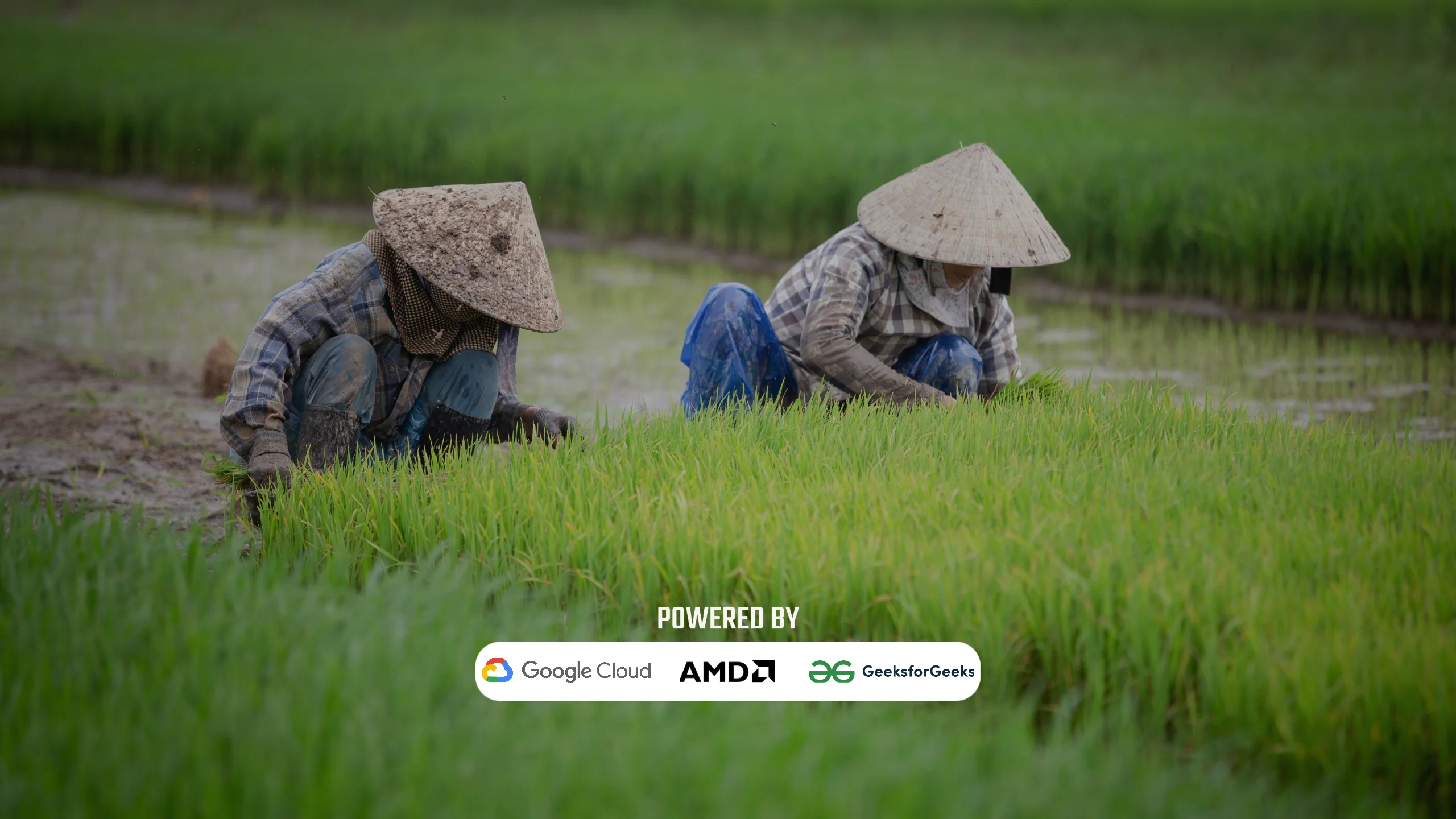
The biggest winners in this deal are likely to be labour-intensive sectors such as textiles, apparel, leather goods, gems and jewellery, and marine products. Indian textile exporters, in particular, had long faced a competitive disadvantage in the UK market compared with countries such as Bangladesh and Pakistan, which already enjoyed preferential access. By eliminating tariffs on more than a thousand textile product lines, the agreement places Indian manufacturers on a more equal footing and could provide a substantial boost to export-oriented industrial clusters in India.

Sara Saxena
Policy Analyst, Foreign Policy & South Asia
Foreign Affairs, Policy Analysis
Sara studies India's foreign policy architecture, neighbourhood diplomacy, and Indo-Pacific strategy. She was previously a visiting fellow at the Royal United Services Institute in London and contributes regularly to national and international publications on South Asian security.
Rachit
Senior
Economics and Finance, Legal Analysis, Foreign Affairs, Politics, Opinion & Commentary
Test